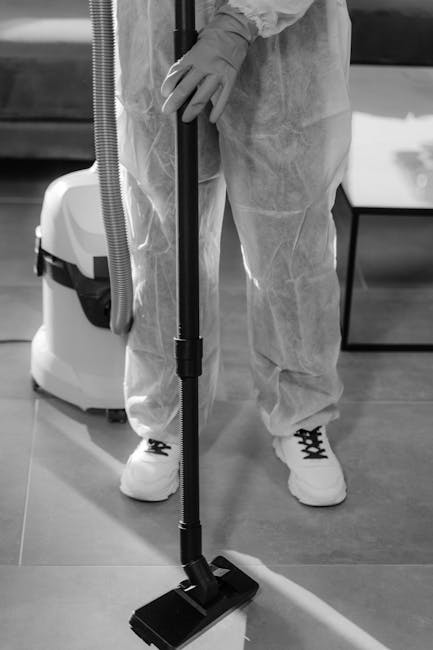
Camden Cleaners in Camden
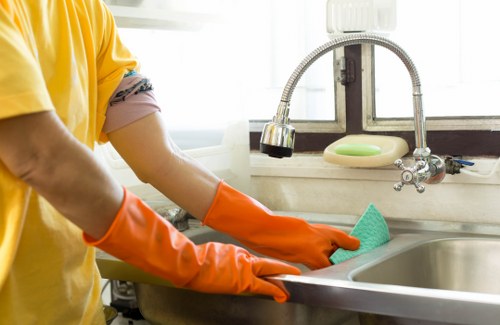
Camden Cleaners provides cleaning services in Camden for homes and workplaces that need dependable upkeep, a deeper reset, or a more focused clean for specific rooms and surfaces. Our work covers routine domestic cleaning, one-off cleaning, deep cleaning, end of tenancy cleaning, after builders cleaning, office cleaning and specialist treatments such as carpet, upholstery, rug, oven, hard floor and window cleaning. The aim is straightforward: match the right level of cleaning to the space, the material and the result you want.
Some customers need regular help to keep everyday mess under control; others want a one-off service before guests arrive, after renovation, or when a tenancy is ending. We therefore keep the service range broad enough to handle general cleaning tasks and also the more detailed work that benefits from targeted methods. If you are deciding what type of clean is suitable, the most useful starting point is to identify the surfaces that need attention and how thorough the finish should be.
For a clear quotation, it helps to share the property type, the size of the job and any rooms or items that need special attention. See pricing and quotes for a starting point, then use the contact page when you are ready to outline the work. A brief summary is often enough to begin, and if the job has awkward access, delicate materials or a tight deadline, those details should be mentioned at the same time.
Domestic cleaning and one-off visits
Domestic cleaning is usually the best fit when you want a steady, practical clean that supports day-to-day living rather than a full reset. It can include dusting, vacuuming, mopping, kitchen wipe-downs, bathroom cleaning and other general tasks that keep the property presentable. One-off cleaning is more flexible and is often chosen when the space has fallen behind, needs a seasonal refresh, or simply requires a more detailed visit than a normal tidy.
We also handle house cleaning and home cleaning requests where the emphasis is on sensible coverage rather than specialist treatment. That may mean focusing on communal rooms, kitchen surfaces, sanitary areas or floors that need more attention than usual. When you compare options, it is worth thinking about whether the job is mostly maintenance, mostly recovery work, or a combination of both, because that shapes the time and methods needed.
Domestic cleaning sits well alongside one-off work when you want a practical service that can be adjusted to the state of the property. If you are preparing an enquiry, one short list is enough: the rooms involved, any areas that need extra care, and whether you want a recurring arrangement or a single visit. That keeps the quotation stage clear without adding unnecessary back-and-forth.
Deep cleaning for a more detailed finish

Deep cleaning goes beyond routine upkeep and is designed for spaces that need a more thorough pass over accessible surfaces, fixtures and fittings. It is typically the right choice when ordinary cleaning has not been enough to keep pace, or when a property needs a more detailed refresh before a handover, a change in occupancy or a significant event. The work is usually more methodical, with greater attention paid to edges, corners and less obvious build-up points.
Deep cleaning can be a useful option when standard domestic cleaning is too light for the condition of the rooms. In practice, customers often use it to bring kitchens, bathrooms, skirting, doors, switches and similar touchpoints back to a cleaner standard. It is not simply a longer version of a normal visit; it is a different level of detail, and that difference matters when you want a more complete improvement.
Because every deep clean varies, the quotation is usually clearer when you specify what needs the most attention and what should be left out. A calm, well-scoped request is easier to quote than a vague one, especially where there are multiple rooms, heavier build-up or mixed surface types. If you are unsure whether deep cleaning or one-off cleaning is the better fit, describe the condition honestly and ask for the most suitable option.
End of tenancy cleaning and move-out preparation
End of tenancy cleaning is aimed at properties that need to be left in a tidy, presentable condition at the end of a rental period. The service often covers kitchens, bathrooms, floors, internal surfaces and the areas that usually attract the most inspection. It is different from a casual clean because the focus is on completeness, consistency and the finish expected when a tenant hands over the property.
End of tenancy cleaning is particularly useful where a property has been lived in for some time and needs a more structured clean before changeover. Depending on the layout, the work may also involve attention to cupboards, appliance exteriors and other high-use touchpoints. A sensible quotation depends on the number of rooms, the condition of each area and whether any additional specialist tasks are needed alongside the main clean.
If you are arranging a move-out clean, it helps to think in terms of rooms, surfaces and timing. A short description of the property condition, together with any items or marks that need special care, will usually give enough context for a useful estimate. For a straightforward enquiry, include the move date and whether the job is a full handover clean or a targeted clean of selected spaces.
After builders cleaning and post-refurbishment care
After builders cleaning is intended for properties that have had renovation, repair or installation work and now need the dust, residue and general disruption removed. This type of clean is usually more demanding than a standard domestic visit because building work can leave fine dust on ledges, fittings, floors and other surfaces that seem clean at first glance. The work needs patience as well as the right sequence, so that debris is removed without simply spreading it around.
After builders cleaning is often chosen once tradespeople have finished and the space is ready for a proper tidy-up. It may involve careful removal of dust from accessible surfaces, detailed attention around fixtures, and a more deliberate pass through rooms that were affected by the works. The exact scope depends on how much work has been completed, whether the property is occupied, and which areas are safe and practical to clean.
To request a quotation, describe the type of building work that has taken place, the rooms affected and whether the clean is for a newly finished room, a full property or a partial refurbishment. A list of materials that need more care can also be helpful. If dust is widespread, mention that too, as it affects the time and method needed to achieve a proper result.
Specialist surface and item cleaning

Some spaces need more than a general clean, especially where fabric, flooring or glass has its own cleaning requirements. That is where specialist services such as carpet cleaning, upholstery cleaning, sofa cleaning, rug cleaning, hard floor cleaning and window cleaning become useful. Each surface responds differently to moisture, agitation and cleaning products, so it is better to choose a method that suits the material than to treat everything in the same way.
Our carpet cleaning, upholstery cleaning and window cleaning services are designed for customers who want the main rooms to look cleaner without replacing fixtures or furnishings. Carpets often need soil removal and refreshed pile appearance; upholstery may need careful treatment to lift general grime; windows need a streak-free finish and attention to accessible frames and edges. If you have mixed requirements, a combined visit can be more efficient than separate appointments.
When planning a specialist clean, a little detail goes a long way. Mention the fabric type if you know it, the age or condition of the item, and whether there are stains, pet marks or heavy traffic areas. Request a quotation once you have gathered those basics, and make it clear which items are the priority so the estimate reflects the actual scope rather than a rough guess.
Ovens, hard floors and other detailed finish work
Kitchen appliances and hard floors usually need focused attention because dirt builds up in places that are easy to overlook during normal cleaning. Oven cleaning is often chosen for interiors, shelves, doors and removable parts that have accumulated grease or burnt-on residue. Hard floor cleaning, by contrast, is more about choosing a method that suits the surface and preserves the finish while removing dirt, marks and everyday wear.
Oven cleaning and hard floor cleaning both support a more polished result in the parts of a property that people use most. In a kitchen, a detailed oven clean can make the whole room feel fresher; on a floor, the right treatment can improve appearance without leaving a dull or patchy finish. The approach depends on the material, the level of build-up and whether there are areas that need gentler handling.
Useful preparation for this kind of work is simple: let us know the appliance or floor type, the condition it is in, and any marks or damage that should be treated cautiously. If the property has several items needing attention, it is sensible to group them in one enquiry so the quotation reflects the full work involved rather than a single isolated task.
Office cleaning and commercial upkeep
Office cleaning is for workspaces that need to stay tidy, sanitary and suitable for daily use by staff, visitors or clients. The service can cover desks, communal areas, kitchens, washrooms, floors and touchpoints, depending on the layout and the agreed specification. Because office use varies so much, the most effective plans are the ones that match the cleaning tasks to the actual occupancy and the parts of the building that see the most use.
Office cleaning and office cleaners are useful search terms for organisations that want a reliable ongoing arrangement rather than occasional cover. We can help keep visible areas presentable and support a consistent standard of cleanliness across shared spaces. If you are comparing service levels, think about whether you need focused kitchen and washroom care, general desk-area cleaning, or broader coverage across the premises.
For a business quotation, a concise outline is best: floor area, number of rooms, how often the clean is needed and any specific standards that matter to your team. Clear scope makes for a clearer quote. If your workspace includes sensitive equipment or restricted areas, mention that early so the plan can account for access and any necessary limitations.
About Camden
Camden in north London is a district shaped by transport, markets, housing and a strong cultural identity. The area takes its name from Camden Town, which developed in the late eighteenth century as a settlement linked to the New Road, now the A501, and later grew in importance with the coming of the Regent’s Canal and the railways. That transport history still influences the neighbourhood’s character, with major routes and stations bringing a constant flow of people through streets that mix residential blocks, shops, music venues and food traders. The canalside setting is also an important part of Camden’s identity, especially around Regent’s Canal, where walking routes and waterside buildings create a distinctive urban landscape. The wider district is known for its lively street life and for places such as Camden Market, which has evolved from a cluster of markets into a major visitor destination with a range of stalls, small businesses and food outlets. Cultural life is visible in its live music heritage, independent venues and performance spaces, while nearby parks and open spaces offer quieter contrast. Regent’s Park lies to the south-west of Camden Town, and Primrose Hill provides one of the best-known viewpoints in the borough. Architecture in Camden ranges from Georgian and Victorian terraces to later commercial buildings and modern residential developments, with a patchwork of styles that reflects long periods of change. The borough also contains institutions such as the British Library at King’s Cross on its eastern edge, adding to the area’s role as a place of learning and public access. Together these features give Camden a layered identity: busy, historic, creative and deeply connected to the transport networks that helped shape it.
House cleaning and regular upkeep

House cleaning is the practical answer for properties that need dependable routine care across the rooms people use most often. It can include vacuuming, dusting, surface wiping, kitchen work, bathroom cleaning and floor care, with the exact balance set by the property and the household routine. The aim is not to overcomplicate the job, but to keep the home in good order with a sensible level of attention.
House cleaning, home cleaners and cleaners are useful categories when you want regular support rather than a one-time reset. Some customers prefer a weekly visit, others need a more occasional arrangement, and the right schedule depends on how busy the home is and which rooms need the most care. A regular plan often works best when tasks are grouped clearly rather than being spread too thinly across each visit.
If you want to ask for a quotation, keep the request practical: number of bedrooms and bathrooms, whether the home is occupied, and which areas need routine attention versus occasional deeper work. Two short points are enough to get started. Then you can say whether you are looking for a short-term arrangement, a one-off visit or an ongoing service.
Service choices, scope and quotation details
Choosing the right cleaning service is usually easier when you separate what needs cleaning from how thorough it needs to be. A lightly used office, a family kitchen, a rental flat at the end of a tenancy and a freshly renovated room each need different levels of effort. That is why we offer a spread of services rather than forcing every job into one category. The right option is the one that matches the condition of the property and the finish you expect.
When you are preparing an enquiry, three details are especially helpful: the type of property, the areas involved and anything that needs gentle handling. For larger or more varied jobs, it may be useful to list the priority rooms first. Access, parking or timing constraints can also affect planning, so mention them if they matter. If you already know the main tasks, the quotation stage becomes quicker and more accurate.
Contact us to request a quotation and outline the work in a few plain sentences. If you are still deciding between services, a short description of the property condition is enough for us to suggest a suitable starting point. We can then build the clean around the surfaces, rooms and outcome you actually need.
Rugs, sofas and upholstery care

Fabric items benefit from cleaning methods that are designed for their material and construction. Rugs, sofas and other upholstered furnishings collect dust, crumbs, surface marks and everyday wear, so a targeted clean can improve appearance without replacing the item. The right approach depends on the fibres involved, the size of the item and whether the aim is to freshen it up or deal with more noticeable soiling.
Rug cleaning, sofa cleaning and upholstery cleaning are especially helpful when furnishings are central to the room’s appearance. Some items are decorative as well as practical, so it makes sense to treat them carefully and avoid heavy methods that are not suited to the fabric. If you are unsure which service to choose, think about the item as a whole: its size, material and condition will usually point to the right option.
For a quotation on fabric cleaning, a simple description is usually enough: what the item is, how many pieces need attention and whether there are visible marks or heavy use areas. If you want to combine fabric cleaning with general house cleaning or a deeper room clean, say so in one message. Tell us what matters most, and we can shape the work around that priority.